Short answer: iron clothes damp, not dry, and work from the smallest pieces to the largest so you never crush what you have already pressed. Ironing is three things — heat, moisture and pressure — and almost everyone is short on moisture, which is why they compensate with heat and end up with shine and scorch marks. A steamer is not a weaker iron; it is a different tool that is better for anything hanging, anything delicate and anything with a nap, and worse at a sharp crease.
Temperature by fabric
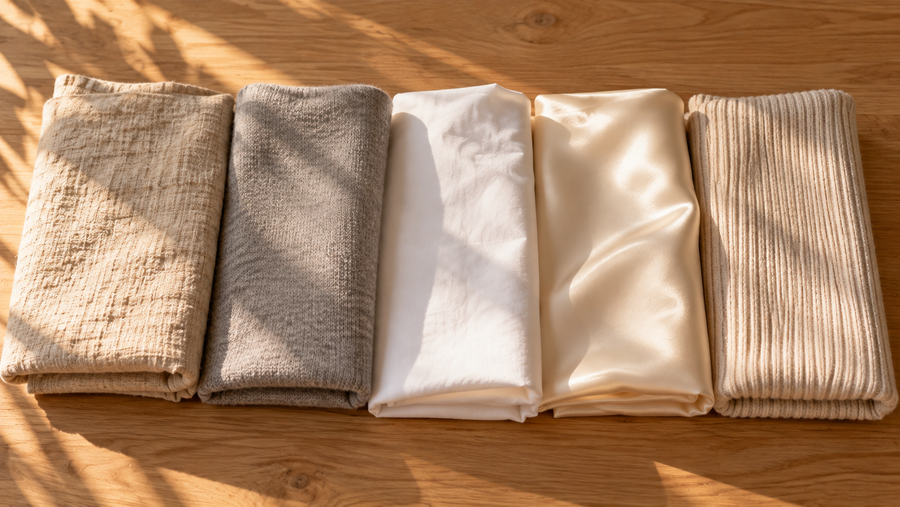
| Fabric | Setting | Side | Note |
|---|---|---|---|
| Linen | High, with steam | Either, damp | Needs the most heat and the most moisture of anything |
| Cotton | High, with steam | Right side, damp | The standard. Dry cotton is twice the work |
| Viscose and rayon | Medium | Reverse | Water marks easily. Steam from a distance rather than pressing wet |
| Polyester and blends | Medium-low | Reverse | Melts before it scorches, and the damage is permanent |
| Silk | Low, no steam | Reverse, slightly damp | Steam spots silk. Use a pressing cloth |
| Wool | Medium, steam | Reverse, under a cloth | Press and lift. Never slide, which flattens the nap |
| Velvet and corduroy | Do not iron | — | Steam while hanging only. The pile crushes permanently |
| Prints and transfers | Low | Reverse only | An iron on a print cracks it in one pass |
The order
The principle is to iron the small, fiddly parts first and the large flat parts last, so nothing you have already pressed gets folded under while you work. For a shirt that means:
- Collar, underside first, then the top. Work from the points inwards, which stops puckering at the tips.
- Cuffs, unbuttoned, inside then outside. Iron around the buttons, never over them.
- Sleeves, laid flat with the seam straight. Press from the shoulder down.
- Yoke, the panel across the shoulders, by hooking it over the narrow end of the board.
- Back, in two halves.
- Fronts, the button placket last, ironing around the buttons.
Hang it immediately. A shirt folded warm creases exactly where you folded it, and the heat sets it.
Iron or steamer
| Use an iron | Use a steamer |
|---|---|
| Shirt collars and cuffs | Suits, jackets and coats |
| Trouser creases | Dresses and anything with volume |
| Linen and heavy cotton | Silk, velvet, corduroy and anything with a nap |
| Bed linen and tablecloths | Curtains, in place |
| Anything that needs a sharp edge | Anything you would rather not lay flat |
| Hems and seams | Freshening something between wears |
A steamer also deals with the thing an iron cannot: wool that has been worn and needs reviving rather than pressing. Ten minutes in a bathroom with a hot shower running does much the same job for free, which is the method in looking after a suit.
The things that make it quicker
- Iron damp. Straight from the wash, or spray back to damp with plain water. This is most of the technique.
- Lower the spin speed to 600 to 800 rpm on anything you will iron. High spin presses in creases the iron then has to fight, as covered in cycles and settings explained.
- Hang everything straight out of the drum and pull the seams true with your fingers. Twenty seconds here halves the ironing.
- Pad the board properly. A thin, hard cover means you are pressing against metal and the fabric bounces back.
- Use a pressing cloth — a cotton tea towel is fine — on wool, silk and anything dark.
- Fill with the water the manual says. In a hard water area that usually means distilled, or the steam holes scale up and spit.
- Start cool and work up. The iron heats faster than it cools, so do silk and synthetics first.
- Skip starch on collars you want to last. It stiffens the fold, and the fold is where a collar frays first.
Common problems
| Problem | Cause | Fix |
|---|---|---|
| Shiny patches on dark fabric | Fibres flattened by a hot plate directly on the surface | Steam and brush against the nap. Always use a cloth on dark wool |
| Yellow or brown scorch | Too hot for the fibre | On white cotton, damp cloth and sunlight can lift a light mark. Otherwise permanent |
| Melted or glazed synthetic | The fibre softened and fused | Not reversible. Clean the soleplate immediately or it transfers |
| Water spots on silk | Steam or droplets on a protein fibre | Dampen the whole panel evenly and dry flat. Spot-wetting is what makes rings |
| Iron spitting brown water | Limescale in the tank | Descale, then use distilled water |
| Double crease down a sleeve | The first pass was off the seam line | Dampen it fully and start again. A sleeve board avoids it entirely |
| Creases return within an hour | Garment hung or folded while still warm | Let it cool on the hanger before it goes anywhere |
| Shirt creased again by the wardrobe | Clothes packed too tightly | Leave space on the rail, as in the wardrobe guide |
Frequently asked questions
Should you iron clothes damp or dry?
Damp. Iron them straight from the wash while still slightly wet, or spray them back to damp with plain water. Moisture does most of the work of relaxing the fibre, and a dry garment needs far more heat and pressure for a worse result, which is what causes shine and scorching.
What order should you iron a shirt in?
Collar, cuffs, sleeves, yoke, back, then the fronts. Small fiddly parts first and large flat parts last, so nothing you have already pressed gets folded underneath while you work on the rest. Hang it straight away, because a warm shirt creases where you fold it.
Is a steamer better than an iron?
Not better, different. A steamer is better for suits, dresses, silk, velvet, corduroy and curtains, and for freshening something between wears. An iron is better for anything that needs a sharp edge: collars, cuffs, trouser creases, hems and bed linen.
How do you get shiny marks out of clothes from ironing?
The fibres have been flattened by direct contact with a hot plate. Steam the area and brush gently against the nap to lift them, which recovers part of it. It is avoidable rather than fully fixable, so use a pressing cloth on dark wool and iron on the reverse.
What temperature should you iron at?
High with steam for linen and cotton, medium for viscose and wool, medium-low for polyester and blends, and low with no steam for silk. Start with the coolest items and work up, because an iron heats much faster than it cools down.
Why does my iron spit brown water?
Limescale has built up in the tank and is breaking loose. Descale it following the manual, then use distilled water if you live in a hard water area. Tap water in a steam iron is the usual cause of both spitting and blocked steam holes.
Can you iron over buttons and prints?
No to both. Iron around buttons, since going over them cracks plastic ones and can mark the fabric. Prints and transfers must be ironed from the reverse only, because direct heat cracks and peels them in a single pass.