Short answer: yes. With an enzyme-based detergent, a cold wash at around 20 °C cleans everyday laundry as effectively as a warm one. Cold also protects colour, prevents shrinkage, avoids setting protein stains, and keeps far more fragrance in the fabric, because heat is what drives scent molecules off. Heat is still worth using for four things: bedding, towels, sickness or heavy soiling, and stripping residue.
Why cold works now and did not before
Older detergents relied on temperature. Surfactants needed heat to dissolve and to lift grease, so a cold cycle really did leave clothes dirtier. Modern formulas do not work that way. They use enzymes, which are biological catalysts that break specific soils apart at body temperature and below.
- Protease breaks down protein: blood, sweat, grass, egg, milk.
- Amylase breaks down starch: sauces, gravy, chocolate, baby food.
- Lipase breaks down fats and oils: cooking oil, make-up, sebum, sunscreen.
All three are in every Scent Wash pod, and all three are chosen to be active at 20 °C. That is the whole reason a cold wash is now a real option rather than a compromise.
What cold water does better than hot
| Cold (20 °C) | Hot (60 °C) | |
|---|---|---|
| Everyday soil | Equal with enzymes | Equal |
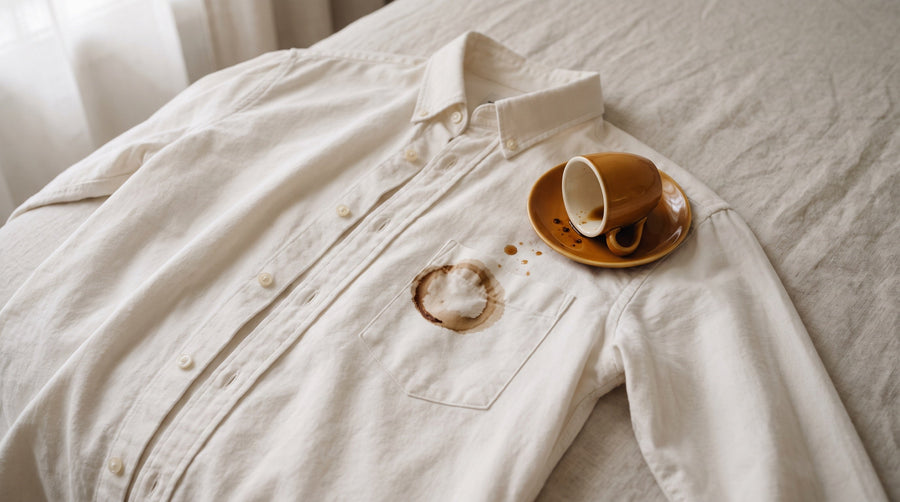
| Protein stains | Removes | Sets them permanently |
| Colour retention | Excellent | Fades over time |
| Shrinkage | None | Cotton and wool shrink |
| Fragrance retention | High | Drives scent off |
| Fabric lifespan | Longer | Shorter |
| Energy use | Lowest | Highest in the house |
| Sanitising | No | Yes |
Heating the water is where nearly all the energy in a wash cycle goes. Moving one household from warm to cold for everyday loads is one of the larger single reductions available in a home, and it costs you nothing in performance.
The fragrance argument
This is the part most cold-wash guides miss. Fragrance molecules are volatile by design; heat is exactly what makes them leave a surface. A hot wash followed by a hot dry strips both the top and heart notes out of a load before you ever fold it. A cold wash keeps more of the composition inside the fibre, where the base notes can bind and release slowly over the following two weeks. If you want laundry that still smells like something on day ten, cold is the single biggest lever, ahead of dose, ahead of brand. The full method is in how to make laundry smell good for weeks.
When you should still use heat
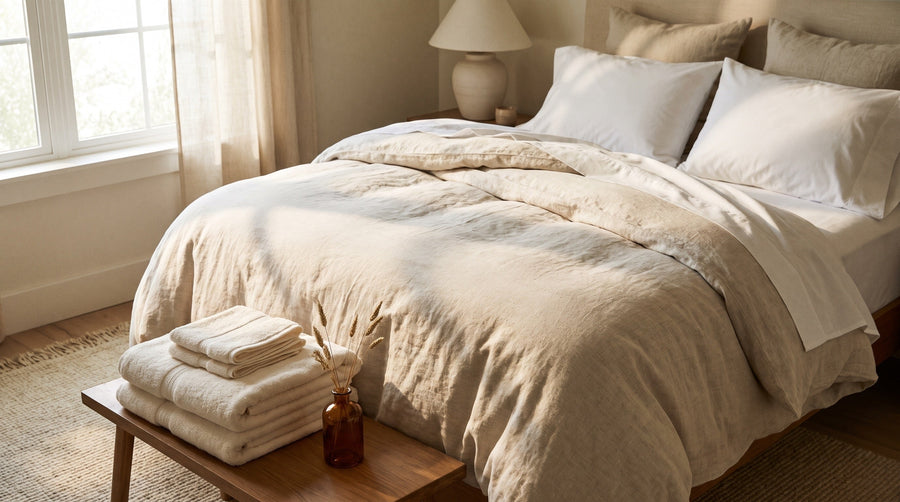
- Bedding and towels. Warm, around 40 °C, deals with body oil and keeps cotton loops clear.
- Illness, or anything that needs sanitising. Bacteria and dust mites need about 60 °C. Run this on bedding after a household illness.
- Heavy soiling. Work clothes, greasy kitchen textiles and mud-caked kit benefit from warm water plus two pods.
- Stripping residue. A one-off hot wash clears softener build-up from towels and gym kit.
Oil and grease stains are the one stain type that prefers warm water. Everything else, especially blood and sweat, must be cold, as set out in how to get stains out of clothes.
How to get the most out of a cold wash
- Use a normal cycle, not a quick wash. Cold needs time, typically 45 minutes or more.
- Fill the drum three quarters full. Enzymes need water and movement.
- Put the pod in the empty drum first, so it dissolves from minute one.
- Pre-treat visible stains before the cycle rather than raising the temperature after it.
- Clean the machine monthly. Cold washing alone does less to keep a drum clear, so an empty hot cycle once a month matters more.
Does cold water kill bacteria?
Not reliably, and it does not need to for everyday laundry. A cold wash with a good detergent removes bacteria along with the soil they live in, and drying finishes the job. Sanitising is a separate requirement, for illness, cloth nappies and similar, and that needs about 60 °C or a dedicated sanitise cycle.
Frequently asked questions
Does cold water actually clean clothes?
Yes, for everyday laundry, provided the detergent contains enzymes that are active at low temperature. Protease, amylase and lipase break down protein, starch and oil at around 20 degrees Celsius.
What temperature is a cold wash?
Typically 20 to 30 degrees Celsius, or whatever the mains supplies if your machine has no heater on that setting.
Does washing in cold water save money?
Yes. Heating the water is the largest part of a wash cycle's energy use, so switching everyday loads to cold cuts most of it.
Does cold water kill bacteria in laundry?
Not reliably. It removes bacteria along with the soil, which is enough for normal laundry. For sanitising after illness, use about 60 degrees Celsius or a dedicated sanitise cycle.
Will cold water make my clothes smell?
Only if the drum is overloaded, the cycle is too short, or the load sits wet afterwards. Done properly, cold washing keeps fragrance longer than hot, because heat drives scent molecules off the fabric.